 ESO/M. Kornmesser
Hot Jupiter50 ly
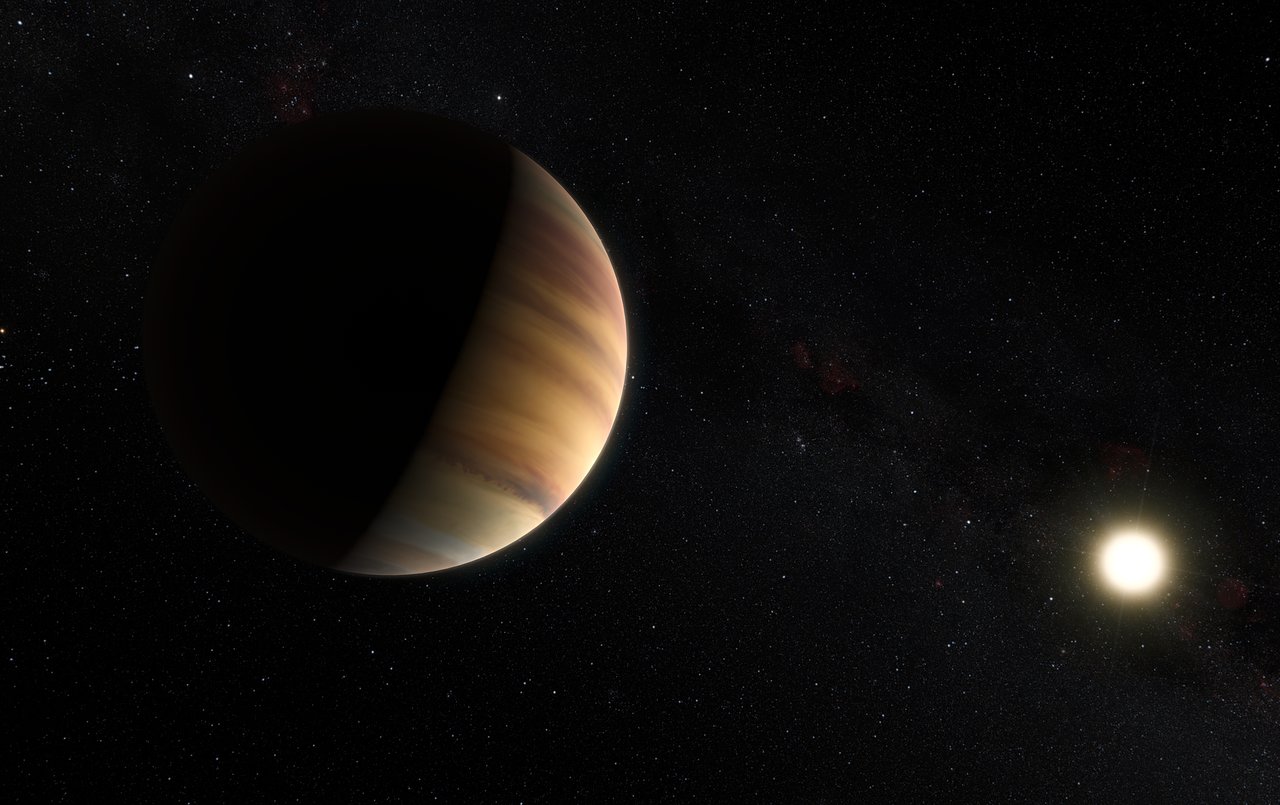
51 Pegasi b
The first planet ever found orbiting a Sun-like star (1995). Its discovery won the 2019 Nobel Prize in Physics.
4.2 days
Year length
1,265 K
scorching
13.4×
Radius
How long to get there?
Worlds beyond our sun
Confirmed planets orbiting other stars — counted live from NASA's Exoplanet Archive. Every one is a real world someone discovered.
Live data · NASA Exoplanet Archive
Eight worlds that changed how we think about the galaxy.
ESO/M. KornmesserThe first planet ever found orbiting a Sun-like star (1995). Its discovery won the 2019 Nobel Prize in Physics.
4.2 days
Year length
1,265 K
scorching
13.4×
Radius
How long to get there?
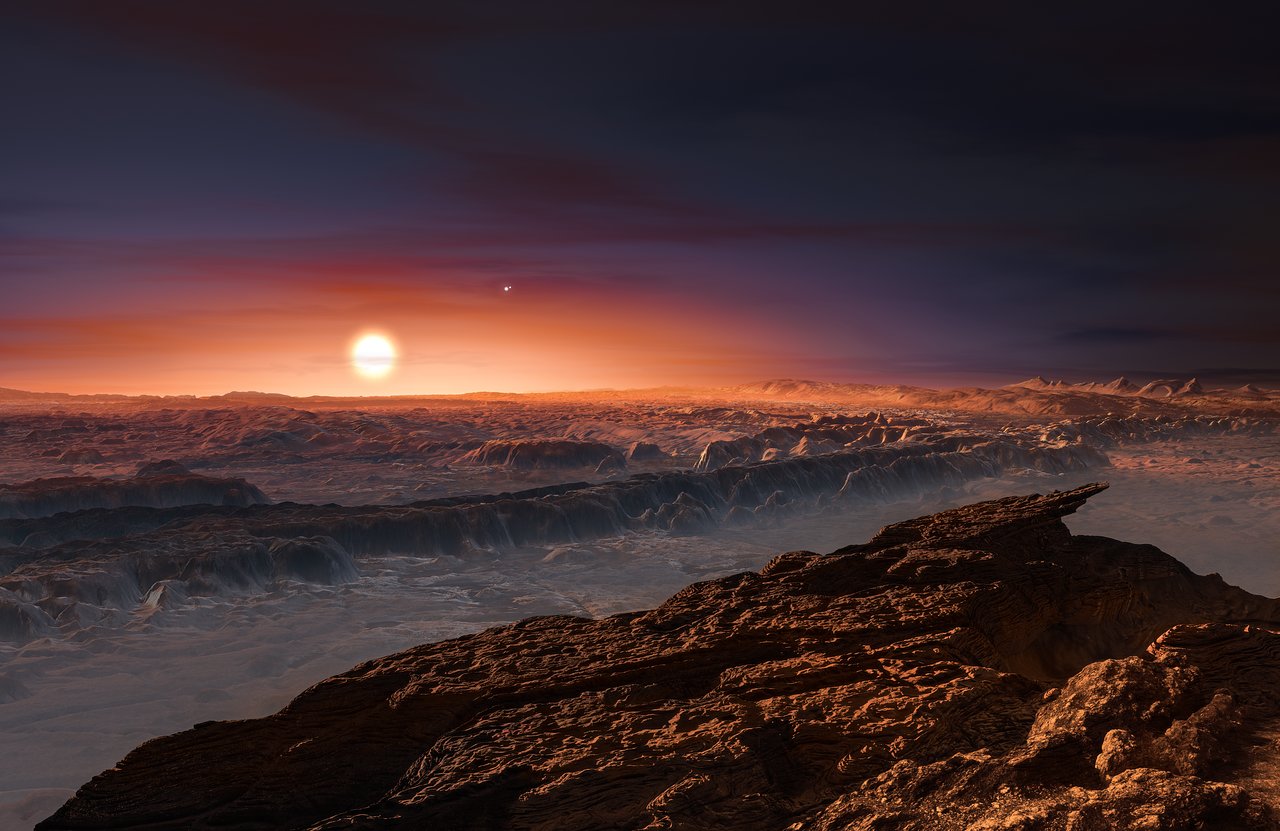 ESO/M. Kornmesser
The closest exoplanet to Earth, orbiting in the habitable zone of our nearest stellar neighbour.
11 days
Year length
234 K
temperate
1.1×
Radius
How long to get there?
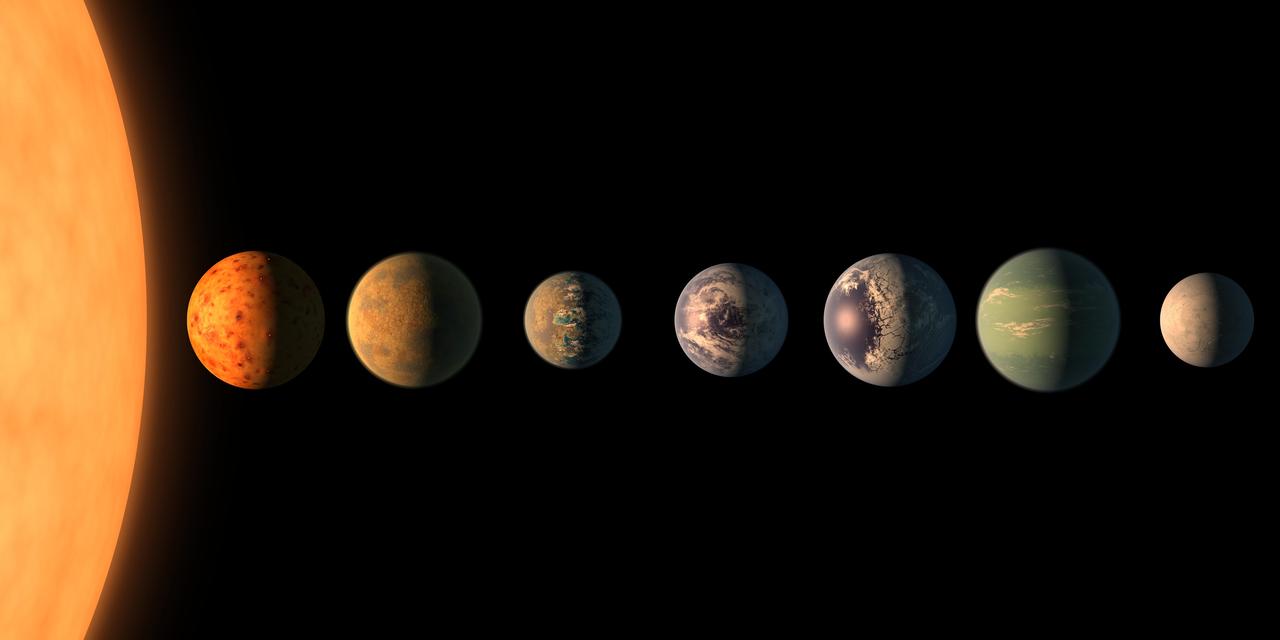 NASA/JPL-Caltech
One of seven Earth-sized worlds around one tiny star — three of them sit in the habitable zone.
6.1 days
Year length
250 K
temperate
0.9×
Radius
How long to get there?
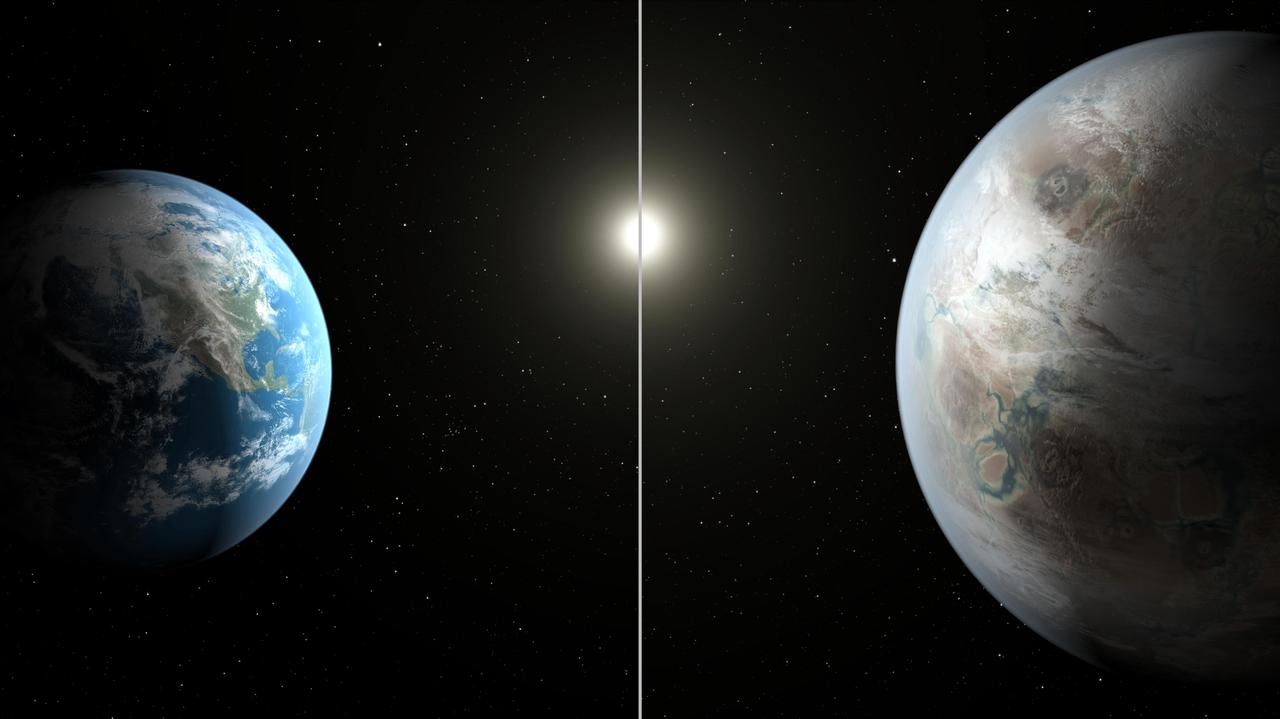 NASA/JPL-Caltech
Nicknamed 'Earth's cousin' — a bigger Earth orbiting a Sun-like star at almost the same distance.
385 days
Year length
265 K
temperate
1.6×
Radius
How long to get there?
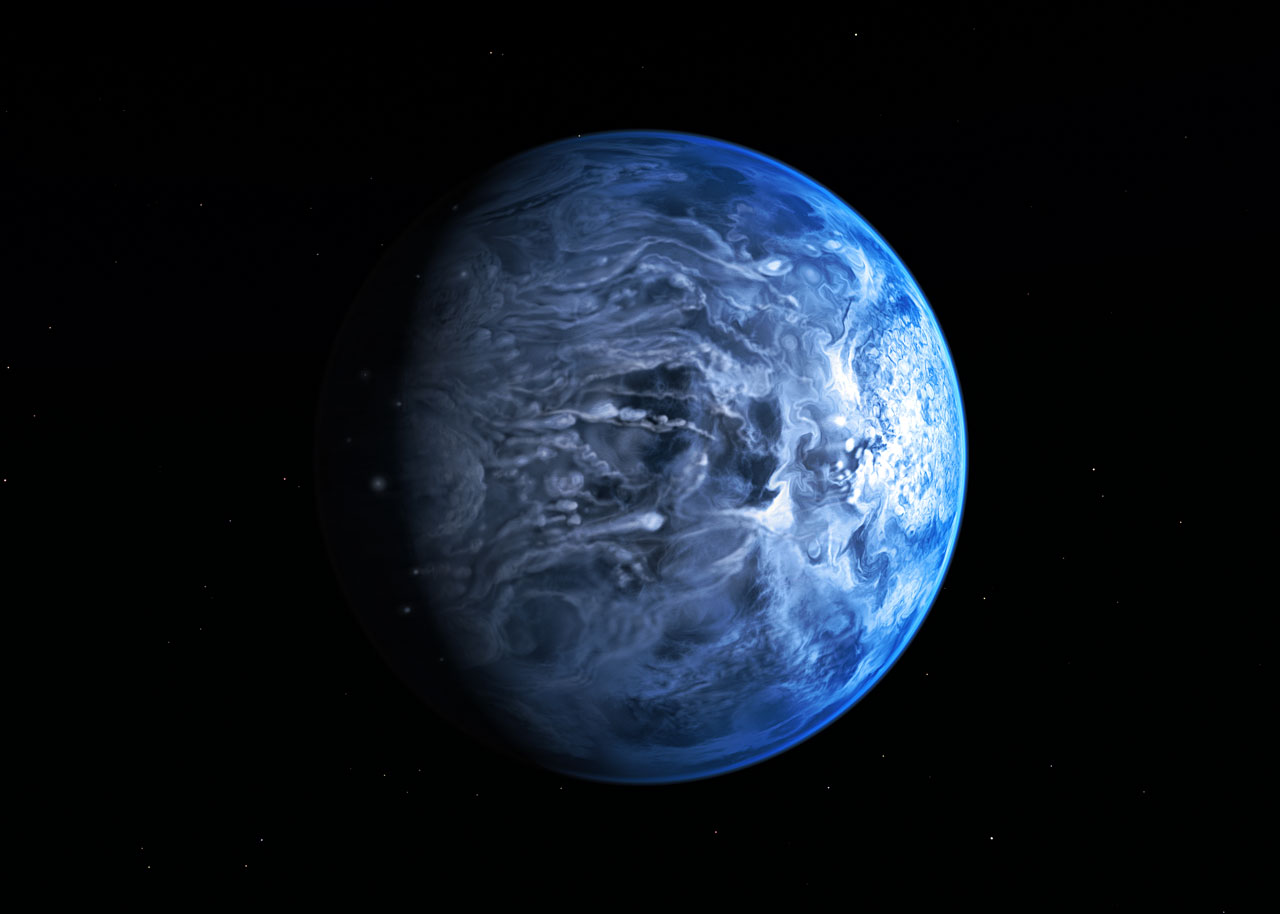 NASA/ESA Hubble
A deep-blue planet where it rains molten glass — sideways, in 8,700 km/h winds.
2.2 days
Year length
1,200 K
scorching
12.7×
Radius
How long to get there?
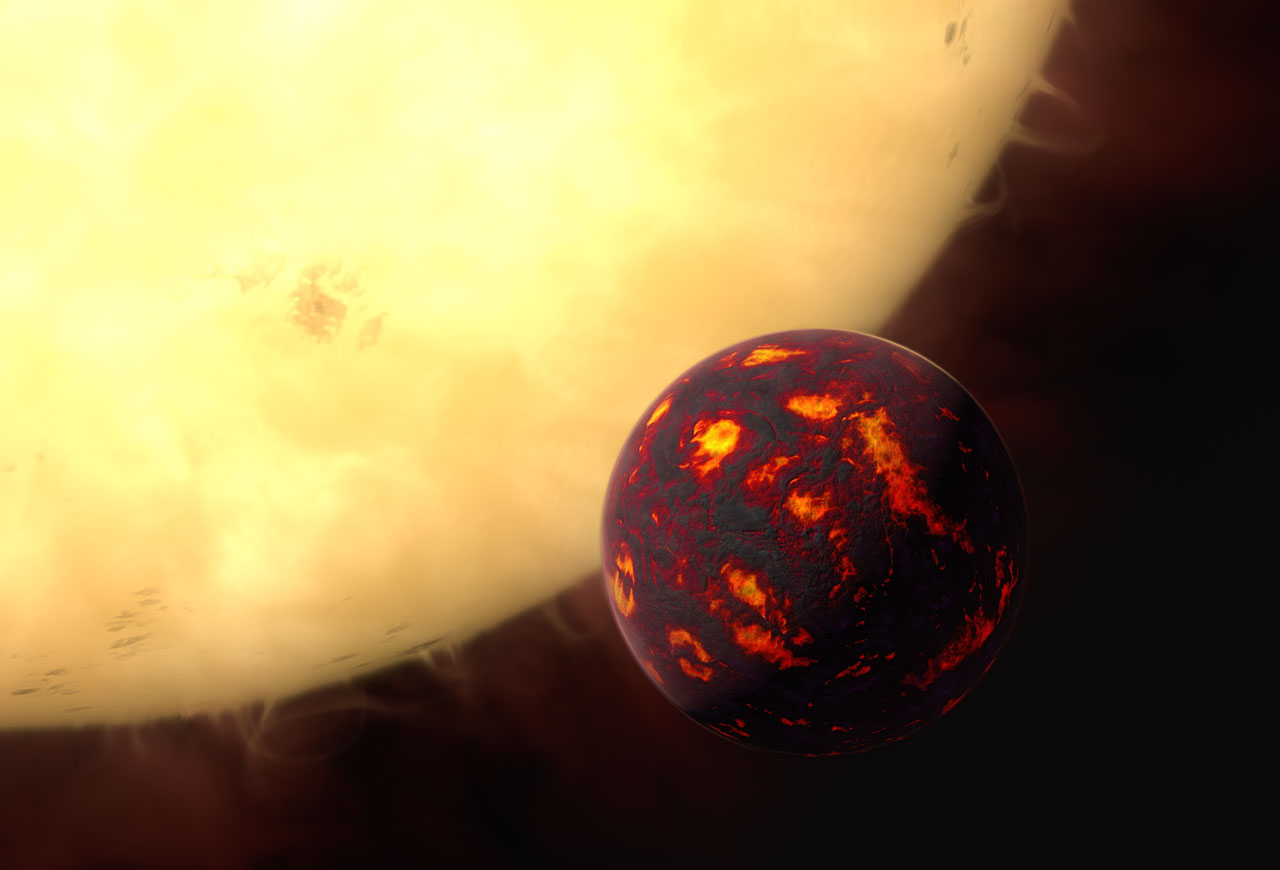 ESA/Hubble
A scorching world with oceans of lava; its interior may be rich in diamond.
0.8 days
Year length
2,000 K
scorching
2×
Radius
How long to get there?
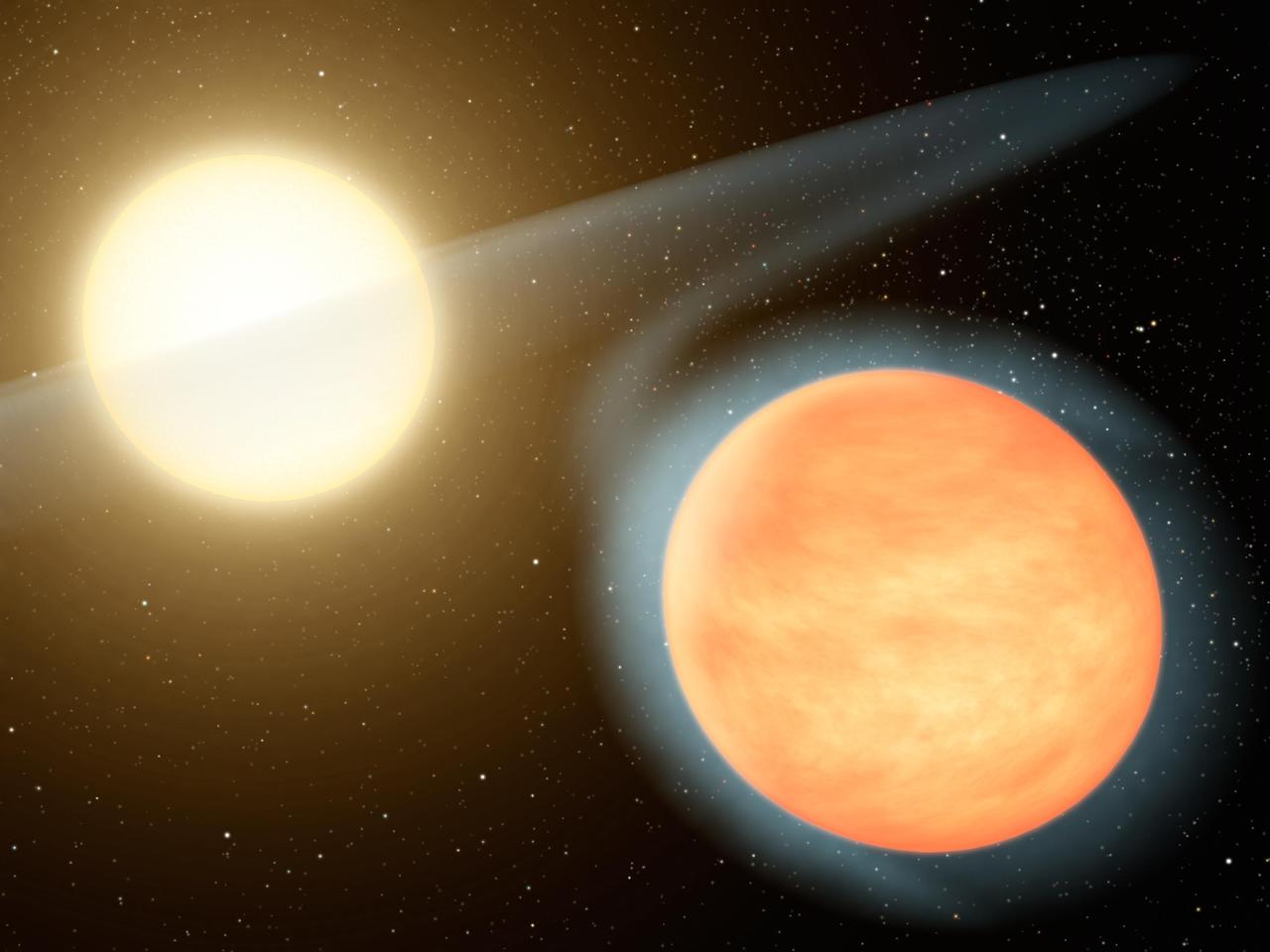 NASA/JPL-Caltech
Stretched into an egg shape and slowly being devoured by its own star.
1.1 days
Year length
2,600 K
scorching
21×
Radius
How long to get there?
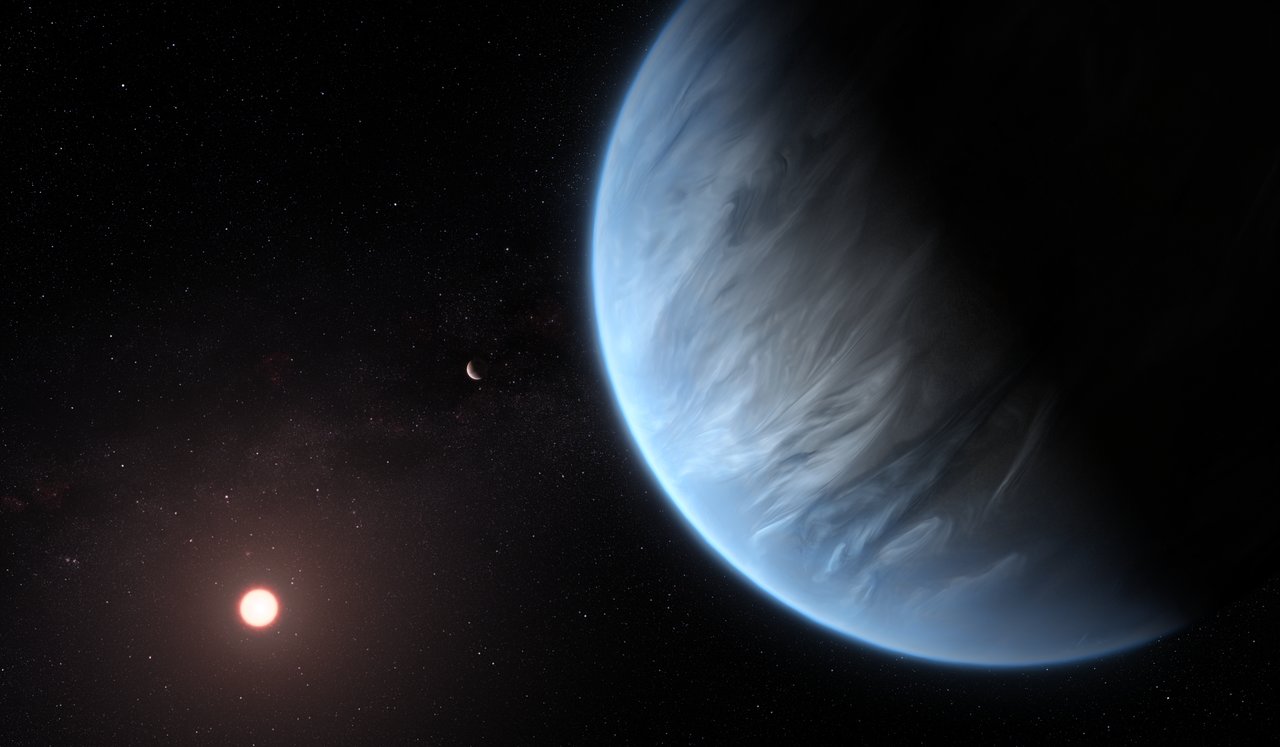 ESA/Hubble
Water vapour found in its atmosphere — a candidate for a world with a global ocean.
33 days
Year length
265 K
temperate
2.6×
Radius
How long to get there?
The newest confirmed planets in the archive.